

Choosing Industrial Pumps for Reliable Process Applications
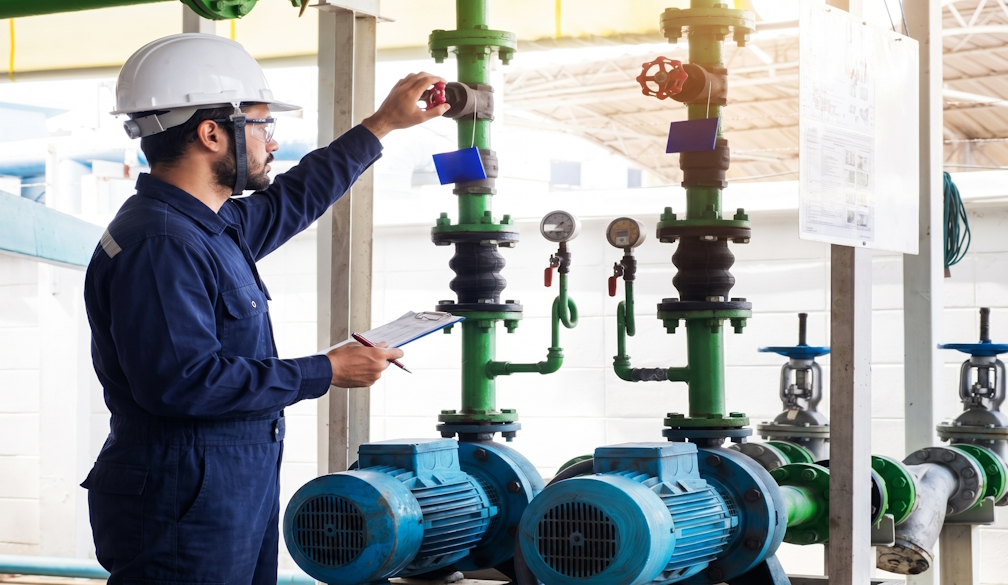
Industrial facilities rely on pumps to move liquids between tanks, processing equipment, pipelines and other parts of a production system. The right pump can help maintain consistent flow and support the requirements of demanding industrial processes. When selecting industrial pumps, businesses need to consider the fluid being handled, required flow rate, pressure, operating conditions and installation requirements. F.A. Maker provides industrial equipment and pumping solutions for businesses with varied processing needs.
Considering Used Industrial Pumps
New equipment is not always the only option for businesses developing or maintaining industrial systems. Used industrial pumps can provide an alternative for applications where suitable equipment is available and the condition of the pump meets the required specifications.
When considering used equipment, businesses should assess its condition, previous application, specifications and compatibility with the intended system. The pump should be capable of handling the required fluid, flow rate, pressure and operating conditions.
It is also important to consider the availability of replacement components and the potential maintenance requirements. A thorough assessment can help businesses determine whether a used pump is appropriate for their application.
Understanding the Role of Industrial Pumps
Industrial pumps are used to transfer liquids from one location to another. Depending on the application, they may move water, chemicals, process fluids, slurries or other liquids through a production system.
Different pump designs are suited to different duties. Factors such as viscosity, temperature, pressure and the characteristics of the fluid can influence which pump is appropriate.
For this reason, businesses should assess the actual process requirements before selecting industrial pumps. Choosing equipment based only on general capacity may result in a system that does not perform as expected under real operating conditions.
Flow Rate and Pressure Requirements
Flow rate and pressure are two of the most important considerations when selecting a pump. Flow rate determines how much liquid needs to be moved within a specific period, while pressure requirements depend on factors such as pipe length, elevation and downstream equipment.
The pump should be capable of meeting the demands of the complete system. If capacity is insufficient, production processes may not receive the required flow. Selecting a used industrial pumps with significantly more capacity than necessary can also create inefficiencies.
Reviewing the requirements of connected equipment and the existing pipework can help businesses identify a more suitable pumping solution.
Consider the Fluid Being Pumped
The characteristics of the liquid can have a major impact on pump selection. Viscous fluids may require different pumping characteristics from low-viscosity liquids, while abrasive or corrosive materials can place additional demands on equipment. Temperature should also be considered because some fluids may need to be handled at elevated temperatures. The materials used in the pump need to be appropriate for the fluid and operating conditions.
Understanding these factors before purchasing industrial pumps can help businesses select equipment that is better suited to the actual process.
Why Application-Specific Selection Matters
Industrial pumping systems can vary significantly between industries. A pump used in food processing may have different requirements from one used in chemical processing, manufacturing or other industrial applications.
The operating environment also matters. Used industrial pumps may need to run continuously, intermittently or according to changing production demands. Installation space, accessibility and maintenance requirements should also be considered.
By defining the application clearly, businesses can compare available equipment based on relevant specifications rather than selecting a pump solely according to size or price.
Maintenance and Pump Performance
Regular maintenance can help identify changes in pump performance and address issues before they cause significant disruption. Depending on the equipment, inspections may include checking seals, connections, bearings and other components.
Operators can also monitor flow, pressure, temperature and other relevant operating conditions. Changes from normal performance may indicate that the pump requires inspection or servicing.
F.A. Maker supplies industrial pumps for businesses with different processing requirements and also provides access to used industrial pumps for applications where suitable equipment is available.