

How to Choose the Right Respiratory Protection for Industrial Workplaces in Australia
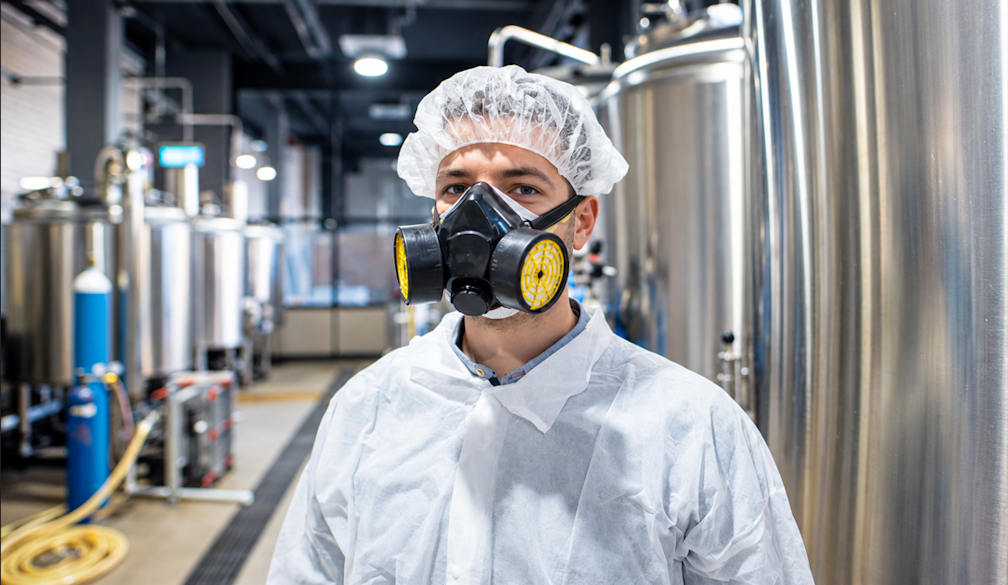
Working in an industrial environment means accepting that some hazards are simply invisible. Airborne particles, chemical vapours, biological contaminants: they don't announce themselves, and they rarely give you a second chance. For businesses operating in manufacturing, construction, mining, asbestos remediation, and other high-risk industries across Australia, respiratory protection is not a compliance checkbox. It is the difference between a healthy workforce and one facing irreversible lung damage.
The challenge is that respiratory protection is not one-size-fits-all. The wrong choice, even one that looks the part, offers little to no real protection. That is why understanding the product classes, the applicable Australian standards, and the right criteria for your specific exposure is essential before purchasing a single piece of equipment. Partnering with reputable industrial safety equipment suppliers who understand the regulatory landscape and the practical demands of your site is the first step to getting this right.
This guide walks through the key considerations for selecting respiratory protective devices in Australian workplaces, from understanding hazard assessment to navigating product classes and fit testing requirements.
Why Hazard Assessment Comes First
Before you can select a respirator, you need to know exactly what you are protecting against. This sounds straightforward, but in practice, many workplaces underestimate the complexity of their exposure profile.
Respiratory hazards generally fall into two broad categories: particulate hazards and gas or vapour hazards. Particulate hazards include dusts, fibres, mists, and biological agents. Gas and vapour hazards include organic solvents, isocyanates, acid gases, and ammonia, among others. Some environments present both simultaneously, which significantly narrows the field of appropriate protection.
Identifying your hazard class requires:
- A review of Safety Data Sheets (SDS) for all chemicals in use
- An assessment of airborne contaminant concentrations, ideally through industrial hygiene monitoring
- An understanding of the physical state of the contaminant (particles vs. gases vs. a combination)
- Consideration of task duration, frequency, and physical demand on the worker
Once you have a clear picture of the exposure, you can match a product class to it. Skipping this step and selecting a respirator based on familiarity or cost is one of the most common mistakes in workplace PPE management, and one of the most consequential.
Understanding AS/NZS 1716: The Standard That Matters
In Australia, respiratory protective devices must comply with AS/NZS 1716, the national standard for respiratory protective devices. This standard sets out the requirements for device performance, classification, testing, and markings. If a product is not certified to AS/NZS 1716, it should not be considered compliant, regardless of what the label claims or how it appears.
The standard covers a range of device types, including:
- Filtering facepieces (disposable respirators): Classified as P1, P2, or P3, with P2 being the most common across Australian industries. P2 filtering facepieces filter at least 94% of airborne particles and are widely used for general particulate hazards.
- Half-face respirators and full-face respirators: Reusable devices that accept replaceable cartridges or filters, allowing workers to address a broader range of hazards.
- Powered Air Purifying Respirators (PAPRs): Motorised devices that draw air through a filter and deliver it to the user, suitable for high-hazard applications or workers who cannot achieve an adequate seal with tight-fitting devices.
- Self-Contained Breathing Apparatus (SCBA): Supplied-air systems for immediately dangerous to life or health (IDLH) environments.
One critical point: these classes are not interchangeable. A P2 disposable respirator that works perfectly for fine woodworking dust is entirely inadequate for asbestos fibre removal. An organic vapour cartridge offers no protection against acid gases. Getting the class right is not pedantry. It is the whole point.
Half-Face Respirators: Versatile Protection for Mid-Range Hazards
For many industrial applications, the half face respirator sits in a practical sweet spot. It covers the nose and mouth, leaving the eyes unobstructed, and accepts a range of interchangeable cartridges and filters. This flexibility makes it suitable for diverse hazard types across industries including painting, welding, chemical handling, light asbestos-related work, and general manufacturing.
Half-face respirators work through a negative-pressure system: the wearer's inhalation draws air through the filter or cartridge. This means the device must form a tight seal against the face to work as intended. Without a proper seal, unfiltered air bypasses the filtration medium entirely, negating the protection the cartridge provides.
Several factors affect seal quality:
- Facial hair: Even a day's stubble along the sealing surface is enough to compromise the seal. Clean-shaven faces, or alternative device selection, are required for adequate protection.
- Face shape and sizing: Respirators come in multiple sizes for a reason. Workers need to be fitted to a device that matches their facial dimensions.
- Correct donning: Workers must know how to put the device on correctly. An incorrectly worn half-face respirator may feel secure while providing significantly degraded protection.
Cartridge selection is equally important. Common options include:
- P100 particulate filters: For high-efficiency particulate protection (at least 99.97% filtration efficiency)
- Organic vapour cartridges: For solvents and hydrocarbon-based chemicals
- Acid gas cartridges: For hydrogen chloride, sulfur dioxide, and similar hazards
- Combination cartridges: For environments with both particulate and chemical vapour hazards
Cartridges also have a service life. Many workers make the mistake of continuing to use a cartridge well beyond its effective lifespan. Combination cartridges with activated carbon lose capacity through adsorption over time, meaning they may provide reduced protection even before any visible sign of wear. Manufacturers' guidance on cartridge change-out schedules should be followed strictly.
Full-Face Respirators: Elevated Protection When It Counts
When the hazard involves eye and face exposure in addition to respiratory risk, or when the concentration of airborne contaminants requires a higher protection factor, the full face respirator is the appropriate step up.
Full-face respirators deliver a higher assigned protection factor (APF) than their half-face counterparts, largely because they seal across a wider area of the face and offer an integrated eye shield. This matters in environments with:
- High concentrations of particulate or chemical hazards
- Hazards that can penetrate or irritate the eyes (such as chlorine or ammonia)
- Low oxygen environments where visibility into the breathing zone is critical
- Tasks where a secondary set of protective eyewear would interfere with work
The same seal requirements that apply to half-face devices apply here, with the added consideration that the wide-view lens must not be cracked or fogged during use. In high-demand tasks, anti-fog lens coatings and proper pre-use checks are essential.
Full-face respirators accept the same cartridge range as half-face devices (dependent on the specific model), and the cartridge selection logic remains the same: match the cartridge type to the specific contaminant, not to a generalised idea of the hazard. In environments with extremely high particulate concentrations, a powered air-purifying respirator (PAPR) may offer a better practical solution by reducing the breathing resistance that comes with tight-fitting negative-pressure devices.
Fit Testing: Non-Negotiable for Tight-Fitting Devices
Australia's Work Health and Safety regulations, supported by AS/NZS 1715 (the companion standard for selection, use, and maintenance), require that workers using tight-fitting respirators undergo fit testing. This is not optional, and it cannot be bypassed by relying on a device's general size rating or a worker's judgment of comfort.
Fit testing comes in two forms:
- Qualitative fit testing: A pass/fail method using the wearer's sense of taste or smell to detect a test agent. Suitable for half-face devices.
- Quantitative fit testing: Uses specialist equipment to measure the actual concentration of a test agent inside and outside the facepiece simultaneously. More objective and required for full-face devices in many applications.
Fit testing must be conducted:
- Before a worker first uses a new device model
- Whenever a worker changes to a different model or size
- Following significant changes in the worker's facial structure (dental work, significant weight change, scarring)
- At regular intervals, typically annually, or as required by the specific risk assessment
Employers carry the legal responsibility to ensure their workers are fit-tested, and to maintain records of that testing. It is a common oversight area during workplace safety audits.
Maintenance, Storage, and End-of-Life Considerations
Reusable respiratory protection represents a genuine investment in worker safety, but only if it is maintained correctly. A poorly maintained respirator can be worse than useless. It may give the wearer false confidence while providing degraded protection.
Key maintenance practices include:
- Post-use cleaning: Facepieces should be cleaned after each use with appropriate wipes or cleaning solutions. Do not use harsh chemicals that may degrade the sealing surface.
- Filter and cartridge inspection: Check for physical damage, blockage, or saturation before each use. Replace as per the manufacturer's schedule, not when they visually appear worn.
- Seal surface inspection: The sealing zone is the most critical part of any tight-fitting device. Check for nicks, cuts, or hardening of the elastomer that could compromise the seal.
- Strap and harness integrity: Worn or damaged straps reduce the clamping force required for an effective seal.
- Storage: Store respirators in a clean, sealed container away from UV light, extreme temperatures, chemicals, and contaminants. Do not hang them on a wall hook by the straps.
Disposal must also be handled appropriately, particularly for cartridges used against hazardous chemicals. Used cartridges may be considered hazardous waste depending on the substances they have filtered.
Respiratory Protection Programmes: The Management Layer
Individual respirator selection and fit testing do not, by themselves, constitute effective respiratory protection. The Australian standard and WHS regulations call for a Respiratory Protection Programme (RPP): a documented management system that governs all aspects of respiratory protection on a site.
A robust RPP covers:
- Hazard identification and exposure assessment (reviewed regularly, not just at setup)
- Written procedures for device selection, use, and maintenance
- Fit testing records and schedules
- Training records for all workers using respiratory protection
- Medical surveillance where the hazard warrants it
- A defined review cycle for the programme itself
Without an RPP, respiratory protection becomes ad hoc. Workers may use inappropriate devices, skip cartridge changes, or use devices they have not been fitted for, and there is no systematic mechanism to detect or correct these failures.
For workplaces in Queensland, New South Wales, and Victoria, workplace health and safety regulators expect employers to demonstrate a structured approach to respiratory hazard management, not simply to have devices available on site.
Choosing a Supplier Who Understands the Standard
Sourcing respiratory PPE from a knowledgeable supplier makes a material difference to outcomes. The right supplier will not simply dispatch a product order. They will help you identify the correct device class for your exposure, advise on cartridge selection and change-out frequency, flag products that do not meet AS/NZS 1716, and provide ongoing support as your site's hazard profile changes.
It is worth asking prospective suppliers directly: can you identify the correct product class for our specific exposure, and can you provide documentation confirming AS/NZS 1716 compliance? A supplier who cannot answer those questions confidently is not the right partner for safety-critical procurement.
Conclusion
Respiratory protection done properly is not complicated, but it requires rigour across hazard assessment, product selection, fit testing, maintenance, and programme management. The most expensive respirator on the market provides no meaningful protection if it is the wrong device for the hazard, if it has not been properly fitted, or if it is maintained badly.
Australia's AS/NZS 1716 standard exists to provide a consistent, verified benchmark for what respiratory devices must achieve. Leaning on that standard, working with suppliers who understand it, and building a site-level programme around it are the foundations of genuine respiratory protection. For workers in high-risk environments, getting this right is not just a regulatory obligation. It is the reason they go home with healthy lungs.