

How Electronic Design Companies Turn Ideas into Practical Products
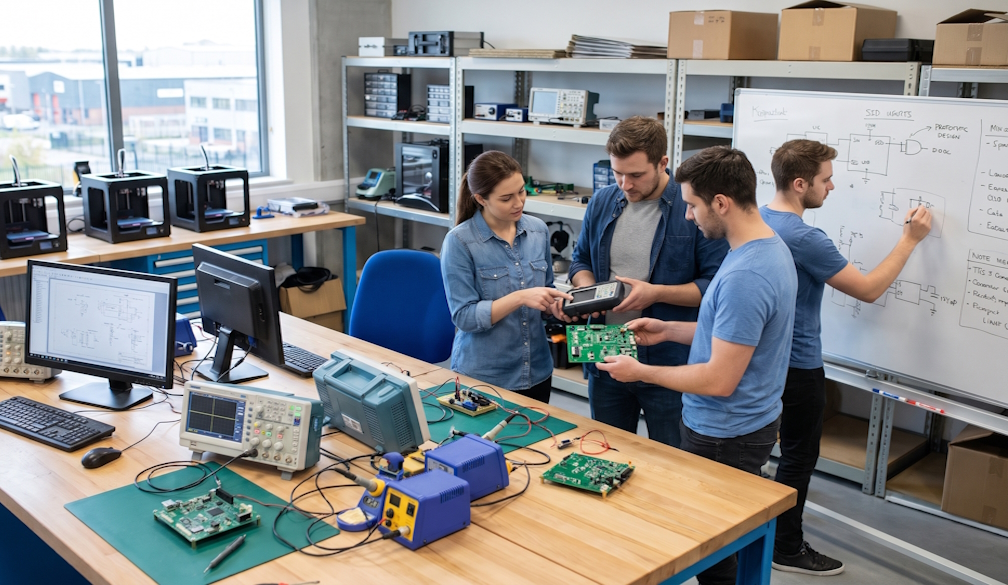
How Electronic Design Companies Turn Ideas into Practical Products
Choosing electronic design companies is an important step when a business needs to turn an idea into a working electronic product. The process can involve much more than drawing a circuit: requirements need to be understood, components selected, layouts reviewed, prototypes tested and design decisions documented. A structured approach helps teams identify technical constraints early and make informed choices before committing to manufacturing.
Electronic design software supports many stages of this work, from schematic capture and circuit simulation to printed circuit board layout and design verification. The right tools depend on the complexity of the product and the skills available within the team. Extron Design works in electronic product design, and a clear discussion about the intended application helps establish the design scope and technical priorities.
Businesses searching for electronic engineering companies Melbourne should consider how a prospective partner handles the full development process, communicates technical trade-offs and plans verification. A useful design partner will ask about the operating environment, expected production volumes, compliance needs, cost targets and intended users before recommending an approach.
Start with clear product requirements
Every electronic product begins with a problem to solve and a set of conditions it must meet. Requirements may include power consumption, physical size, response time, connectivity, user controls, environmental exposure and target cost. Distinguish essential functions from optional features, and use the brief as a reference for testing. A design team should record how each requirement will be verified during testing.
Early discussion should cover the product’s intended operating conditions and any relevant standards or regulatory requirements. A device used in a hot, vibrating or electrically noisy environment may need different components and protection from a product intended for a controlled indoor setting. Electronic design companies should confirm relevant standards early. Electronic design companies should document standards and test criteria.
Use design tools to test decisions early
Electronic design software can help engineers create circuit diagrams, model circuit behaviour and develop printed circuit board layouts. Simulation may identify issues with signal integrity, power use or component selection before a physical prototype is built. Layout tools also help teams review board size, component placement, routing and manufacturing constraints. Electronic design software is most effective when its models reflect the circuit’s intended operating conditions. Electronic design software can support simulation and board layout.
Software is only as useful as the assumptions and models behind it. Simulated results need to be checked against component specifications and, where appropriate, measured results from physical testing. Choose tools suited to the circuits, team and manufacturing files required.
Plan the circuit and board together
Circuit design and printed circuit board layout are closely connected. Component choice affects board dimensions, heat dissipation, signal paths and power distribution. A circuit that works in principle may still need careful layout to manage noise, electromagnetic compatibility or thermal limits. Reviewing the schematic and board together helps identify these interactions before a prototype is ordered. These interactions should be reviewed before ordering a prototype. Electronic design companies review circuit and layout trade-offs together. Electronic design companies should check these dependencies early.
Designers should also consider assembly and service requirements. Component availability, footprint accuracy, connector access, test points and the ability to replace parts can influence the long-term practicality of a product. For production, panelisation and inspection access may also affect the design.
Build and test prototypes methodically
Prototyping provides evidence about how a design performs outside the software environment. Initial tests may focus on power-up behaviour, core functions and basic electrical performance. Further tests can examine temperature, vibration, communication and battery life. A test plan should connect each requirement to a measurable result so that the team can decide whether the product meets its goals.
When a prototype fails a test, the result should guide a specific investigation rather than trigger arbitrary changes. Engineers can isolate the issue, review measurements, check component tolerances and revise the design where necessary. Recording revisions and test results helps explain decisions and avoid recurring issues.
Prepare for manufacturing and future support
A design is not ready for production simply because a prototype works. Documentation, bill of materials, component sourcing, assembly instructions and manufacturing files need to be prepared and reviewed. Parts with uncertain availability may need alternatives before release. Design-for-manufacture reviews can help identify assembly difficulties and reduce avoidable production costs. Electronic design software can also support consistent documentation when revisions are controlled carefully. Electronic design software also supports organised design files.
Future maintenance should also be considered. Clear design records, version control and test documentation help a business support the product after launch. Reliable documentation also supports updates when components or requirements change. Extron Design can discuss electronic product design requirements with businesses seeking a practical path from concept through development.
Choose a design partner on evidence
When comparing suppliers, ask how they define requirements, manage design reviews, test prototypes and prepare manufacturing documentation. Consider experience alongside process, communication and understanding of product constraints. A clear scope should explain deliverables, decision points and the information the client needs to provide. Ask for examples of how design reviews and testing are managed. Compare electronic design companies by their review and testing process.
The most useful collaboration is based on shared expectations and evidence at each stage. By defining the product requirements, using suitable tools and testing the design methodically, businesses can make development decisions with greater confidence. Extron Design can be approached to discuss the technical objectives, development stage and practical considerations for an electronic product. Businesses comparing electronic engineering companies Melbourne should ask how technical decisions and verification are handled. Ask electronic engineering companies Melbourne about verification and handover.