

Generator Australia: Choosing the Right Generator for Your Power Requirements
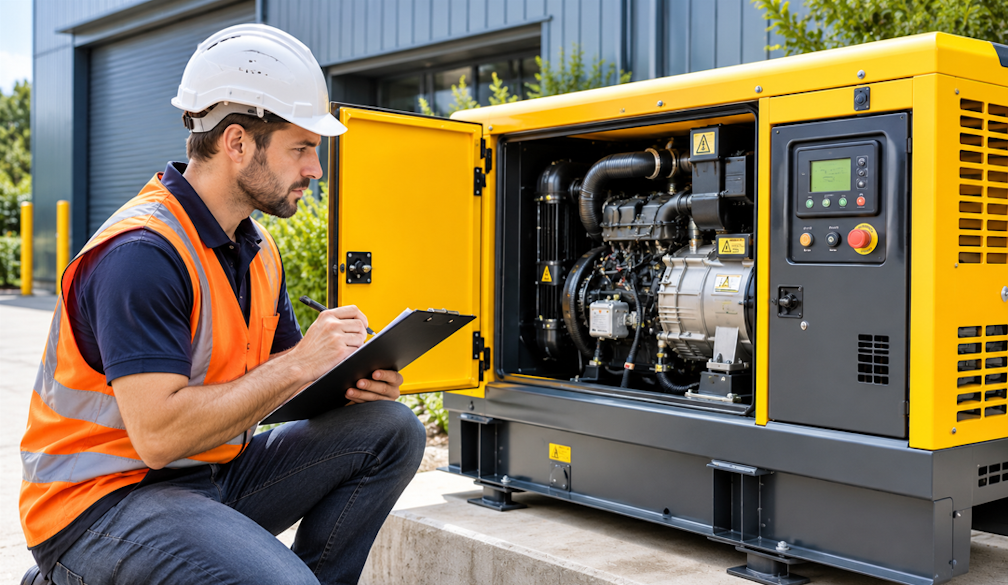
When reliable electricity is essential, choosing suitable equipment starts with understanding the load, operating conditions and purpose of the installation. Businesses looking for a Generator Australia supplier need to consider more than the unit’s purchase price. The generator must provide adequate output for the equipment it will support, suit the location where it will operate and fit the site’s maintenance and fuel arrangements. Establishing these requirements early helps narrow the options and reduces the risk of choosing equipment that does not meet operational needs.
For many commercial and industrial applications, a Diesel Generator Australia option may be worth considering because diesel units are commonly used where dependable standby or continuous power is required. The right choice depends on the application, expected running hours, load profile, ventilation, noise restrictions and access for servicing. Buyers should compare specifications and operating requirements rather than assume one generator type will suit every site. Power Systems Australia can help customers explore generator options that align with their application and installation needs.
A generator should be sized according to the equipment it needs to run, including starting loads from motors and other machinery. Undersizing can lead to overloads or unreliable operation, while excessive capacity may increase upfront costs and cause inefficient operation at low loads. A qualified supplier or electrical professional can review the connected load, starting characteristics, required runtime and any plans for future expansion before a model is selected. This process is especially important where the generator supports critical equipment or several loads at once.
Selecting a Generator for Its Intended Use
Before purchasing, consider whether the generator is intended for emergency standby, temporary power or regular operation. Standby systems are generally designed to supply power when the normal source fails, while prime or continuous applications may have different operating requirements. The expected duty cycle affects the suitable specification, service intervals and total cost of ownership. Buyers comparing a Generator Australia supplier should provide clear information about how often the equipment will run and what happens if power is interrupted.
Fuel planning is another important part of generator selection. A Diesel Generator Australia system requires a suitable fuel supply, safe storage and a plan for monitoring fuel quality and replenishment. The tank capacity should be considered alongside expected load and runtime, while installation must comply with relevant safety and environmental requirements. Fuel availability, delivery access and the possibility of extended outages can influence the most practical configuration. Site-specific advice is important before making decisions about tank placement or fuel storage.
Installation and Site Requirements
Installation conditions can affect generator performance and service access. The location needs appropriate ventilation, exhaust management, weather protection where required and enough space for inspection and maintenance. Noise limits, vibration, exhaust direction and access for delivery or lifting equipment should be assessed before installation. Electrical connection, changeover arrangements, earthing and protection systems must be designed and installed by suitably qualified professionals in line with applicable requirements. Planning these details in advance can reduce avoidable changes once equipment arrives on site.
Maintenance planning should begin before the generator is commissioned. Routine servicing, inspections, battery checks, coolant and lubricant checks, and scheduled testing help identify issues before the equipment is needed. The appropriate maintenance programme depends on the model, operating environment and manufacturer’s instructions. For standby equipment, periodic testing under suitable load conditions can help confirm that the system starts and operates as expected. Keeping service records also supports troubleshooting and helps site managers plan downtime and replacement parts.
Comparing Specifications and Long-Term Costs
When comparing products, review rated output, voltage, control features, enclosure options, fuel capacity, warranty terms and the availability of local technical support. Ask for clarification about what is included in the supply, such as controls, weather protection, installation services or commissioning. A clear comparison should account for both purchase price and the practical costs of installation, fuel, maintenance and operation over time. Avoid choosing solely on headline output or price if the unit will support essential business operations.
Power Systems Australia provides a starting point for buyers assessing generator options for Australian operating conditions. Before requesting a recommendation, prepare details about the required load, intended use, site location, preferred runtime and any access or noise constraints. This helps establish which specifications should be compared and whether additional installation planning is required. Buyers should also confirm current product availability, technical specifications and service arrangements directly with the supplier before making a purchase decision.
Make an Informed Generator Choice
A considered selection process helps ensure the generator matches the actual requirements of the site. Whether comparing a Generator Australia supplier for a new installation or assessing a Diesel Generator Australia model for standby power, focus on capacity, duty cycle, fuel arrangements, installation conditions and ongoing service. With these factors defined, buyers can compare options more accurately and plan for dependable operation over the equipment’s service life.